
Healthcare Costs in Retirement
Retirement Read Time: 2 min
In a 2023 survey, 37% of all workers reported they were either “not too” or “not at all” confident that they would have enough money to pay for their medical expenses in retirement. Regardless of your confidence, however, being aware of potential healthcare costs during retirement may allow you to understand what you can pay for and what you can’t.1
Health-Care Breakdown

A retired household faces three types of healthcare expenses.
The premiums for Medicare Part B (which covers physician and outpatient services) and Part D (which covers drug-related expenses). Typically, Part B and Part D are taken out of a person’s Social Security check before it is mailed, so the premium cost is often overlooked by retirement-minded individuals.
Copayments related to Medicare-covered services that are not paid by Medicare Supplement Insurance plans (also known as “Medigap”) or other health insurance.
Costs associated with dental care, eyeglasses, and hearing aids – which are typically not covered by Medicare or other insurance programs.
It All Adds Up
According to one study, the average 65-year-old couple can expect to need $315,000 saved to cover healthcare expenses in retirement.2
Should you expect to pay this amount? Possibly. Seeing the results of one study may help you make some critical decisions when creating a strategy for retirement. Without a solid approach, healthcare expenses may add up quickly and alter your retirement spending.
Prepared for the Future?
Workers were asked how much they have saved and invested for retirement – excluding their residence and defined benefit plans.
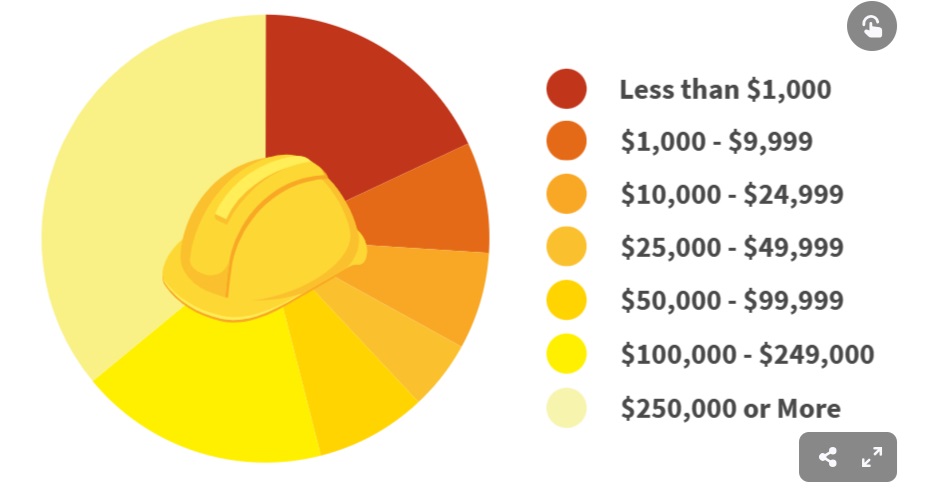
Source: EBRI.org, 2023
1. EBRI.org, 2023
2. Investopedia.com, October 23, 2023